
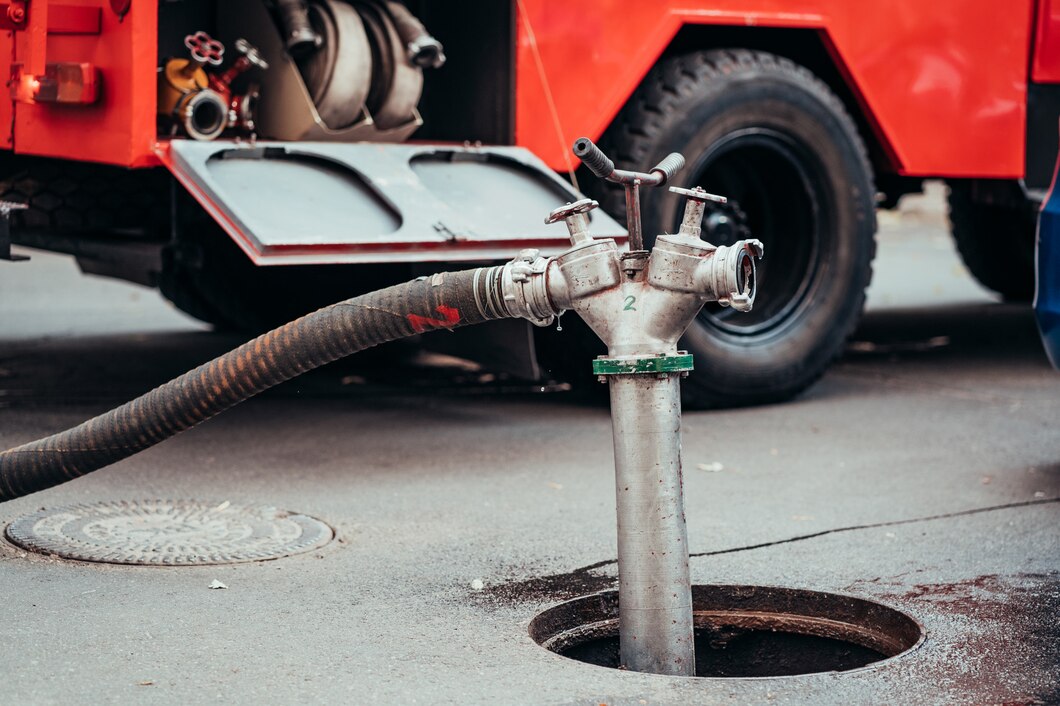
A properly maintained septic system is essential for managing wastewater safely and efficiently. Whether you own a residential property or operate a commercial facility, regular maintenance helps prevent unpleasant odours, wastewater backups, and costly repairs. For property owners, scheduling professional septic pumping in Delta is an important step toward protecting their septic systems and maintaining a clean, functional property.
At Startek Industrial, we understand the importance of reliable septic system maintenance. Knowing when to pump your septic tank and how to care for your system can help you avoid unexpected problems and extend its service life.
Why Is Regular Septic Pumping Important?
Over time, solid waste accumulates at the bottom of a septic tank, while grease and lighter materials form a layer of scum on the surface. Although naturally occurring bacteria break down some waste, they cannot eliminate all the accumulated solids.
Without regular pumping, excessive sludge can reduce the tank’s capacity and allow solids to enter the drainage field, potentially causing blockages and system damage.
Professional septic pumping in Delta helps remove accumulated waste, restore available tank capacity, and reduce the risk of expensive repairs. Routine maintenance also supports proper wastewater treatment and helps prevent potential environmental contamination.
Signs Your Septic Tank Needs Pumping
Recognising early warning signs can help you address septic problems before they become serious. Watch for these common indicators:
- Slow drains: Sinks, showers, and toilets may drain more slowly than usual.
- Unpleasant odours: Persistent sewage smells around the property or near the septic tank may indicate a problem.
- Standing water: Wet or unusually green patches near the drainage field can signal a malfunction.
- Gurgling plumbing: Strange sounds from drains or toilets may indicate a blockage or drainage issue.
- Frequent backups: Wastewater backing up into your home or commercial property requires immediate attention.
These symptoms can indicate problems other than a full tank. A qualified professional can inspect the system and recommend the appropriate solution.
How Often Should You Schedule Septic Pumping?
The ideal pumping frequency depends on several factors, including tank capacity, household size, water usage, and the volume of solids entering the system.
Many household septic tanks require pumping approximately every three to five years. However, some systems need more frequent service, particularly when they experience heavy use.
For properties in Delta, a professional inspection can help establish a maintenance schedule suited to the system’s condition and usage. Keeping records of previous pumping services also makes it easier to plan future maintenance.
Simple Ways to Protect Your Septic System
Between professional services, a few practical habits can help maintain your septic system:
Conserve water: Repair leaking taps and spread laundry loads throughout the week to avoid overwhelming the system.
Dispose of waste properly: Never flush wipes, sanitary products, paper towels, or other non-biodegradable materials down the toilet.
Avoid pouring grease down drains: Cooking oils and fats can contribute to blockages and interfere with wastewater management.
Protect the drainage field: Avoid parking vehicles or placing heavy structures over the drainage area.
Schedule routine inspections: Regular professional assessments can identify potential issues before they develop into major problems.
Choose Professional Septic Pumping in Delta
Maintaining a septic system requires proper equipment, careful waste removal, and an understanding of wastewater management. Professional service helps ensure accumulated solids are removed appropriately while potential concerns are identified.
Startek Industrial provides wastewater and septic-related services to help property owners maintain dependable systems. If your septic tank is approaching its scheduled service interval or showing signs of trouble, arranging a professional assessment is a sensible next step.
Don’t wait for an overflowing tank or an unexpected backup. Prioritise preventive maintenance to protect your property, support reliable wastewater management, and minimise avoidable repair costs.
Contact Startek Industrial to discuss your septic service requirements and determine the appropriate maintenance solution for your property.
Frequently Asked Questions (FAQs)
1. How much does septic pumping in Delta cost?
The cost depends on tank size, accessibility, the amount of waste requiring removal, and any additional services needed. Contact a local service provider for a quote based on your property’s requirements.
2. How do I know when my septic tank is full?
Slow drains, persistent odours, pooling water near the drainage field, and wastewater backups may indicate a full tank or another system problem. A professional inspection can help identify the cause.
3. Can I pump my septic tank myself?
Professional septic pumping is recommended because it requires specialised equipment and appropriate waste disposal. Septic tanks can also contain toxic gases, making entry extremely dangerous.
4. What happens if I delay septic pumping?
Delaying necessary pumping can lead to reduced tank capacity, clogged pipes, sewage backups, drainage field damage, and expensive repairs.
5. Does septic pumping eliminate all septic system problems?
No. Pumping removes accumulated solids but does not repair damaged pipes, faulty components, or a failing drainage field. Additional inspection or repairs may be necessary.
6. How can I maintain my septic tank between pumping services?
Conserve water, avoid flushing unsuitable materials, keep grease out of drains, protect the drainage field, and arrange regular inspections based on your system’s needs.