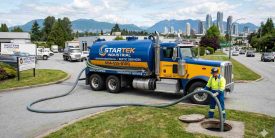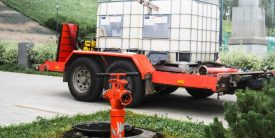

A septic system quietly manages wastewater every day, but it needs regular care to continue working efficiently. Over time, solid waste, sludge, and scum accumulate inside the septic tank. Without proper maintenance, this buildup can reduce tank capacity, cause unpleasant odours, and eventually lead to backups or costly repairs. For homeowners and businesses searching for septic pumping in Delta, professional pumping is an essential part of responsible septic system maintenance.
What Is Septic Pumping?
Septic pumping is the process of removing accumulated wastewater, sludge, and floating scum from a septic tank using specialized pumping equipment. Unlike everyday wastewater treatment, pumping physically removes materials that cannot be completely broken down naturally.
A professional septic service provider accesses the tank, pumps out its contents, and can check for visible signs of potential problems. Regular pumping helps maintain available tank capacity and allows the system to continue handling incoming wastewater effectively.
Why Is Septic Pumping Important?
Your septic tank has a limited capacity. As solids accumulate, there is less room available for wastewater. If the tank becomes excessively full, solids may move toward the drain field and interfere with the system’s ability to absorb wastewater.
Scheduling professional septic pumping in Delta can help:
- Reduce the risk of sewage backups
- Minimize unpleasant septic odours
- Maintain effective wastewater flow
- Prevent excessive sludge accumulation
- Support the longevity of the septic system
- Identify potential issues before they become major problems
Preventive maintenance is generally a better approach than waiting until wastewater begins backing up into your home or business.
Signs Your Septic Tank May Need Pumping
Knowing the warning signs can help you schedule service before an emergency develops. Common indicators include slow drains, gurgling toilets, sewage odours, standing water near the drain field, and wastewater backups.
You may also notice unusually lush or wet vegetation around the septic system. While individual symptoms can have several causes, they should not be ignored. A professional assessment can determine whether pumping or another form of septic maintenance is needed.
If your tank has not been pumped for a long time and you cannot remember its last service, it is also worth contacting a septic professional for guidance.
How Often Should You Pump a Septic Tank?
There is no single pumping schedule suitable for every property. The appropriate frequency depends on several factors, including tank size, household or commercial occupancy, wastewater usage, and the amount of solid waste entering the system.
Larger households may require more frequent service than properties with fewer occupants. Commercial properties can have significantly different wastewater demands depending on their operations.
Rather than relying solely on a fixed schedule, property owners should keep maintenance records and have a qualified septic professional recommend a service interval based on actual system conditions.
Professional Septic Pumping in Delta
Choosing experienced professionals for septic pumping can make the process safer, cleaner, and more efficient. Professional technicians have access to specialized equipment designed to remove septic waste without unnecessarily disturbing the surrounding property.
Startek Industrial provides septic services designed to help property owners manage their wastewater systems efficiently. Whether you need routine pumping or are experiencing warning signs of a septic issue, professional assistance can help determine the appropriate next step.
Regular service can also help property owners stay proactive rather than dealing with unexpected septic emergencies.
Protect Your Septic System With Preventive Maintenance
Septic pumping is only one part of good septic system care. Property owners should also avoid flushing unsuitable materials, minimize excessive water usage, protect the drain field from unnecessary traffic, and address plumbing problems promptly.
Keeping accurate records of pumping and inspections makes it easier to understand your system’s maintenance history and plan future service.
A little preventive attention can help reduce the likelihood of disruptive wastewater problems and support reliable septic performance.
FAQs About Septic Pumping in Delta
1. What does septic pumping remove?
Septic pumping removes accumulated sludge, scum, and wastewater from inside the septic tank using specialized equipment.
2. How do I know if my septic tank needs pumping?
Slow drains, sewage odours, gurgling plumbing, backups, and unusually wet areas around the drain field can indicate that professional septic service may be needed.
3. Can I pump my septic tank myself?
Septic pumping requires specialized equipment and appropriate handling of wastewater. Professional service is recommended for safe and effective waste removal.
4. How frequently should septic tanks be pumped?
The ideal frequency varies according to tank size, occupancy, water usage, and waste accumulation. A septic professional can recommend a suitable maintenance schedule.
5. Why choose professional septic pumping in Delta?
Professional pumping helps remove accumulated waste efficiently while giving technicians an opportunity to identify visible concerns with the system.
Keep Your Septic System Working Efficiently
A well-maintained septic system can provide dependable wastewater management for years, but neglecting accumulated waste can create avoidable problems. If you are searching for septic pumping in Delta, timely professional service is a smart way to maintain tank capacity, reduce the risk of backups, and support the overall performance of your septic system.
Contact Startek Industrial for reliable septic pumping services in Delta and take a proactive approach to septic system maintenance.